





Derrick Barnes was asked how much of the Detroit Lions’ defensive trouble came down to Kelvin Sheppard’s scheme and how much came down to execution. His answer placed responsibility on the players.
After Thursday’s 41–31 road loss to the Buffalo Bills, Barnes said Detroit’s defenders had to make the calls work.
“It don’t really matter about the scheme. Doesn’t matter the play call. It’s the players that have got to go get it done. One thing as a defense, what we do is, whether it’s the right call or not, we’ve got to go make it right. Like Shep said, we’ve got to get them off the field. And that’s what it is, man. If you’re just flying around, doing your one-eleventh, doing your job, making your plays when they come to you, scheme doesn’t even really matter.”
It was an emphatic statement of accountability from a linebacker who believed his own performance fell short.
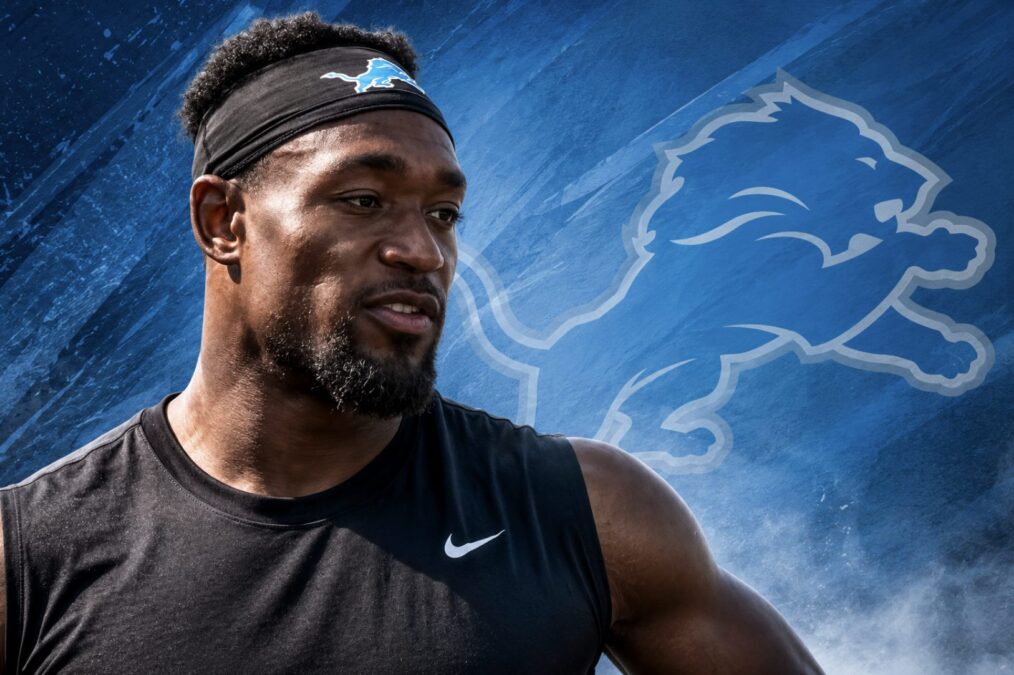
Barnes puts execution at the center of the discussion
Barnes’ answer does not settle every question about defensive coordinator Kelvin Sheppard’s approach. It establishes how he believes the players must respond: handle their assignments and finish the opportunities in front of them.
Buffalo gave Detroit little room to recover from its mistakes. The Bills scored touchdowns on their first three possessions, building a 21–0 lead early in the second quarter.
Barnes finished with seven tackles, a sack, a tackle for loss and a quarterback hit. Those individual contributions came during a defensive performance that allowed 446 total yards and six touchdowns.
His willingness to accept responsibility echoed Jack Campbell’s emotional assessment of his own play. Neither linebacker used his postgame interview to distance himself from what happened.
For Barnes, that responsibility extended beyond making tackles. He was also examining how he could help the defense respond when possessions began getting away from it.
Allen forced difficult decisions behind the pass rush
Barnes said Detroit wanted its defensive front attacking Josh Allen, with Aidan Hutchinson and Alim McNeill free to pressure him. That approach also required defenders behind the rush to recognize when Allen was about to run.
He acknowledged that his own awareness needed to be better.
“One thing we didn’t want to do was slow our pass rushers down. When you’ve got guys like Hutch and Alim, guys up front, you don’t want to slow them down. We knew coming in that he likes to use his legs if he doesn’t have his read. It’s one of those things where, especially when he’s on defense, the guys who are in zone, if you ain’t got no work, go get the quarterback. I think overall, even for myself, I could have done a better job with that, just having awareness of what he wanted to do. But when you’re facing a quarterback like that, it’s just so much. He’s dynamic in every way, and sometimes you can’t stop it all. But there are obviously a lot of things to correct, and we will correct them, man. We’ve just got to stay together.”
Barnes examines his role as a leader
Allen finished with 69 rushing yards and two rushing touchdowns, along with 248 yards and three scores through the air. James Cook III, whose potential for a larger workload was a concern before kickoff, added 135 yards on the ground.
Asked whether defenders had begun trying to do too much, Barnes declined to make that judgment without reviewing the film.
“Obviously, it’s hard to tell. For me, right after a game like this, there are a lot of emotions built up. We didn’t play well as a team, obviously. A lot of stuff to correct. So I’m really thinking about, how can I get better? How can I get better for this team? What can I do to improve? What can I do to allow my team to be in the best position? And as a defense, how can I lead better? How can I pick the guys up on the sidelines? So all those thoughts, things going through my head. But it’s one of those things where I have to go see film to see exactly what was happening out there.”
Getting the ball back remained the biggest frustration
Detroit scored 21 points after halftime, but the defense could not produce enough stops to give the offense a chance to erase the deficit. Barnes pointed to those extended Buffalo possessions when asked what frustrated him most.
“Getting off the field, man. Getting the ball to our offense. We didn’t get a third-down stop until, I want to say, probably going into halftime. That’s very frustrating because of the amount of work that we put in as a group on defense, the amount of things we’ve done through the offseason, the amount of things we did last week, even when we gave up 30 points. But it’s Week 2. So much to improve, so much to go and see. Even for myself, I’m frustrated with myself. I don’t think this was one of my best games. This wasn’t me. But you live and you learn, and we all learn as a defense. I learn as a person. Like I said, I’m just trying to figure out ways to improve myself for my team, improve myself for the defense. It’s a long season, but this one sucks. I know we’ll go back to the drawing board and get it all figured out.”
The Lions are 1–1, with time to make corrections. Barnes’ message puts a concrete measure on that work: whatever Detroit calls next, its defenders have to turn more possessions into stops.
