










Scott Harris knows the Tarik Skubal trade requires an explanation. At the Tigers’ season-ending press conference, he stood behind the decision while accepting responsibility for the circumstances that made it necessary.
“I regret putting our team in that position, but I don’t regret the decision,” Harris said.
Detroit’s president of baseball operations also pushed back on information that has circulated about private conversations surrounding Skubal.
“I know there are some things that have leaked out; they’re not all true.”
That statement came with a significant limitation: Harris did not identify which leaked claims were inaccurate. He declined to publicly detail those conversations, leaving questions about what happened behind the scenes unresolved.
His explanation of the deadline decision itself, however, was considerably more specific.
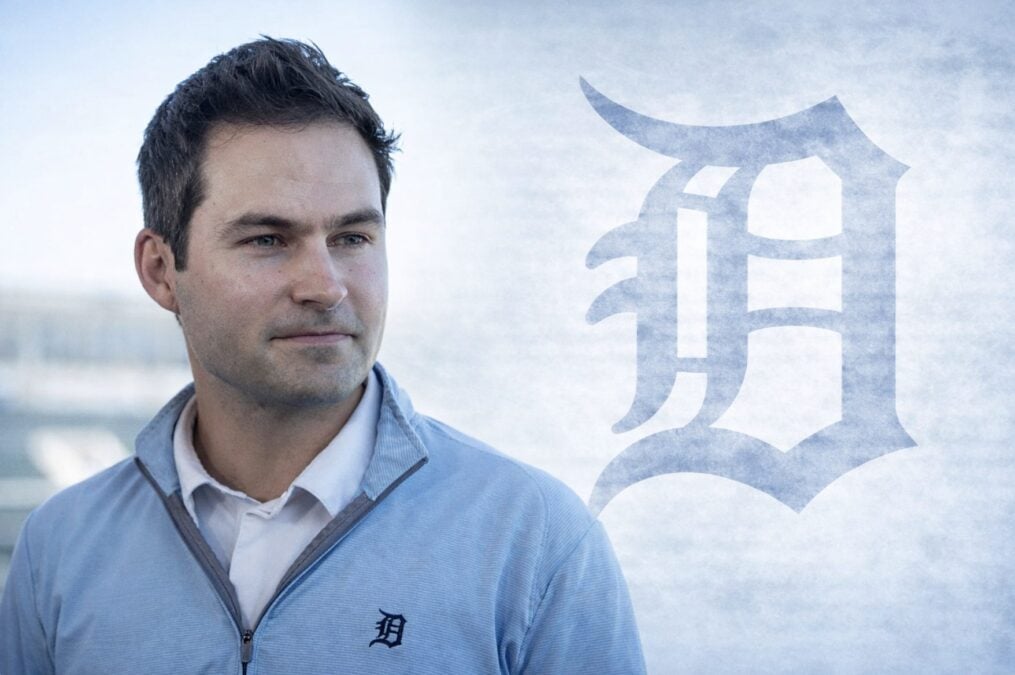
Why Harris Still Defends Trading Skubal
Harris said Detroit faced two questions at the deadline.
First, had the team played well enough to justify trading future talent for immediate help? His answer was no.
The second question was whether keeping the roster together justified passing up the players Detroit could acquire by selling.
That is where Harris asked fans to consider the decision in reverse. Would the Tigers effectively give up Zyhir Hope, River Ryan, Brady Smith, Kash Mayfield and Jackson Wolf for two more months of Skubal and Casey Mize?
“I think the answer is still no,” Harris said.
The Skubal trade brought back Hope, Ryan and Smith. Detroit acquired Mayfield and Wolf in the deal that sent Mize and Gage Workman to San Diego.
Harris was describing the opportunity cost of standing pat. Keeping the pitchers would have preserved Detroit’s immediate chances, but it also would have meant forgoing that return.
Fans can disagree with his assessment of those chances. His position is that keeping the team together carried a substantial price of its own.
A Brutal May Shaped the Deadline Decision
Harris traced the deadline predicament back to Detroit’s 6-22 May.
“When you have a 6-22 May, you put yourself on a path with no margin for error,” he said. “You can’t afford another downturn. You can’t afford to have a situation where injuries and underperformance, or just fatigue from June, July and August, ultimately bites you in August and September.”
That is the scenario Harris said he had in mind at the deadline. In his assessment, losing Riley Greene in mid-August contributed to the second downturn that ultimately knocked Detroit out of serious division and wild-card contention.
That explanation fits with Harris accepting responsibility for the Tigers’ roster shortcomings. His defense of selling does not erase the question of why Detroit reached that point.
Harris also argued that passing up young talent, potentially adding more players and still missing the postseason would carry a cost fans would not see on the field but the organization would feel.
“That’s a miss, and it sets you back,” he said.
It is a consequential bet for an executive who continues to emphasize building the Tigers through player development.
Harris Disputes Leaks but Leaves Details Private
Asked about negotiations involving Skubal and whether there had been a path to keeping him, Harris declined to provide a public accounting.
“As far as Tarik, I don’t think it’s fair or right to share any of the conversations that have happened,” he said. “Those should remain between Tarik and me.”
He then addressed the leaked information directly.
“I know there are some things that have leaked out; they’re not all true. But I’m not going to stand up here and share private conversations publicly.”
That does not establish which reports Harris disputes, what specifically was discussed or how close the sides might have been to an agreement. His answer leaves those details unanswered.
What the Skubal Trade Now Rests On
What Harris did make clear is that he still believes trading Skubal was the correct decision for the team’s circumstances. The harder part of his answer is the admission attached to it: he bears responsibility for helping create those circumstances.
Now Detroit has to turn the talent he chose to acquire into wins. Defending the trade explains his reasoning. What those players become will determine how well that reasoning holds up.

Recent Comments