








Trajan Langdon just committed $200 million over five years to Jalen Duren, but that might not be the biggest gamble the Detroit Pistons made this offseason. In fact, the decision that could ultimately determine whether Detroit becomes an NBA championship contender has much more to do with the players Langdon allowed to leave than the young center he paid to stay.
After a remarkable 60-win season ended with a disappointing Game 7 home loss to Cleveland in the conference semifinals, Langdon faced a difficult question about the future of the franchise. Should he keep the core of a successful team together, or sacrifice some of the qualities that made Detroit dangerous in an effort to build a more explosive offense?
Langdon chose the second option, and now the Pistons are about to discover whether that decision was brilliant or a costly mistake.
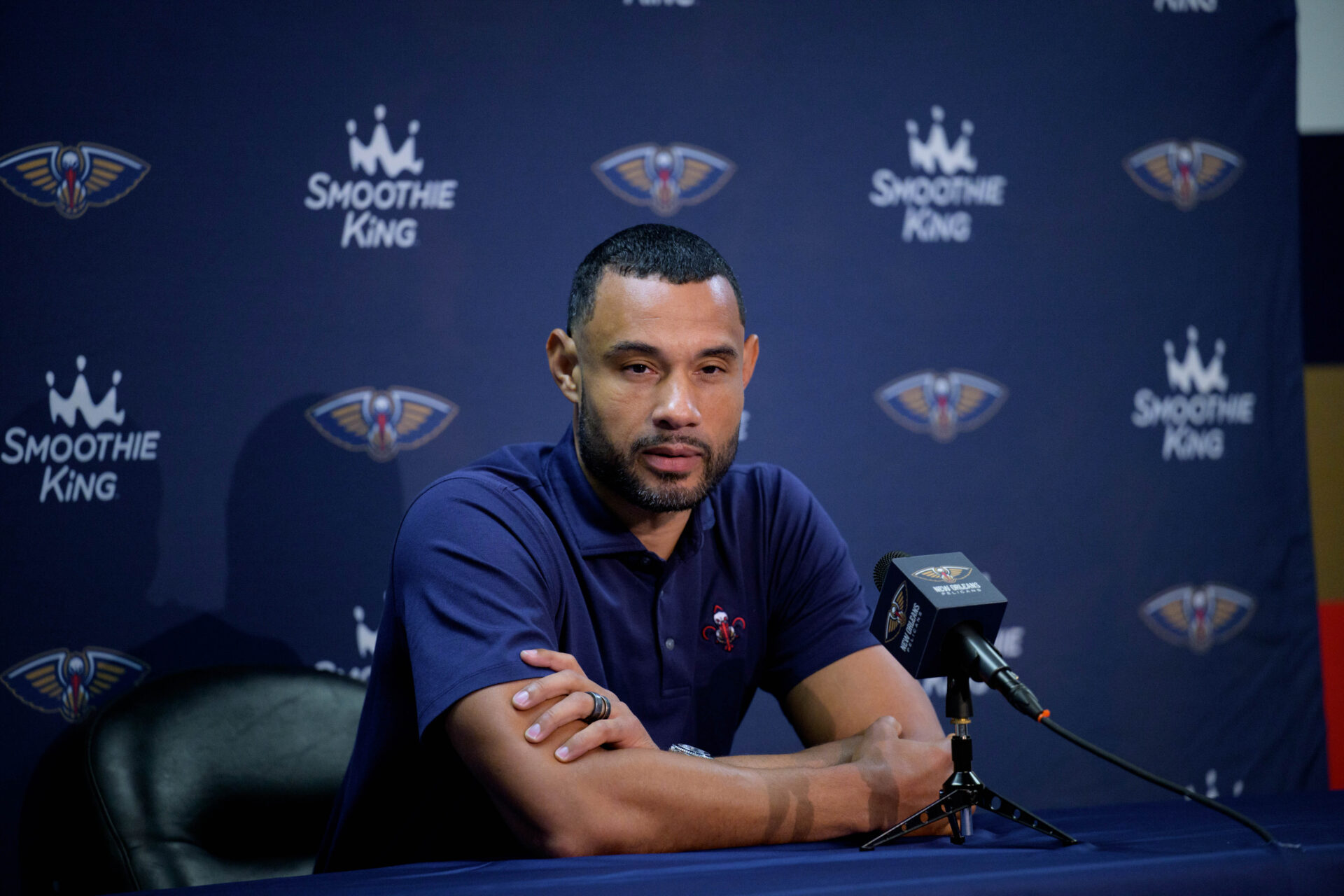
Trajan Langdon Made a Bold Decision to Change the Pistons
For much of last season, the Pistons built their success around physicality, defensive intensity, and a willingness to make opponents uncomfortable. Head coach J.B. Bickerstaff established an identity that reflected the toughness Detroit fans have embraced for generations.
But when the playoffs arrived, Detroit’s offensive limitations became impossible to ignore. Opponents could load up defensively against Cade Cunningham, challenge the Pistons to make outside shots, and force other players to create offense in difficult situations.
Langdon recognized the problem and decided significant changes were necessary.
The biggest move involved trading Isaiah Stewart to the Memphis Grizzlies for three future second-round picks. Stewart had become one of Detroit’s most recognizable players, providing rim protection, defensive versatility, and the physical edge that helped transform the Pistons into a legitimate Eastern Conference contender.
As we previously reported when Langdon moved Stewart, the decision created additional financial flexibility while giving Detroit an opportunity to reshape its roster. However, moving Stewart also meant losing one of the team’s most reliable defensive contributors.
That is where Langdon’s gamble begins.
Pistons Sacrificed Defense to Add Offensive Firepower
Langdon didn’t simply trade Stewart and hope younger players would improve enough to compensate. He aggressively reshaped the roster by adding players capable of making Detroit more dangerous offensively.
Among the most significant additions were John Collins and Isaiah Joe, two players who offer skills that could make life considerably easier for Cunningham.
According to NBA.com’s reporting on Collins joining Detroit, the veteran forward entered the season having averaged at least 13 points per game in each of his previous eight seasons while shooting 36.9% from three-point range for his career. That combination of scoring ability, athleticism, and perimeter shooting gives Detroit an intriguing offensive option in its frontcourt.
Joe provides another element that was missing from Detroit’s playoff offense.
The former Oklahoma City Thunder guard shot 42.3% from beyond the arc last season, 10th in the league among players with at least 200 attempts, and NBA.com confirmed Detroit acquired him in exchange for two future second-round selections. His ability to stretch defenses could open additional driving lanes for Cunningham while creating more opportunities for Duren around the basket.
Detroit also brought back Kevin Huerter on a three-year, $27 million deal and added veteran depth to give Bickerstaff additional lineup options. On paper, the Pistons now have more ways to attack opposing defenses than they did during last season’s playoff run.
But there is a catch.
The Pistons might have improved their offensive versatility at the expense of the defensive identity that helped them win 60 games.
Replacing Isaiah Stewart Will Be Easier Said Than Done
Stewart’s value went far beyond his offensive statistics. He could defend multiple frontcourt positions, protect the basket, and provide a physical presence that made opponents think twice about attacking the paint.
Now, much of that responsibility falls on Duren and Paul Reed.
Duren has the athletic ability to develop into a more complete defensive center, but his consistency remains an important question. Reed brings energy, versatility, and effort, although asking him to replace Stewart’s impact over an entire season represents a significant challenge.
Bickerstaff has already emphasized that Detroit’s defensive identity cannot change simply because the roster looks different.
As we previously covered following Bickerstaff’s comments about Stewart’s departure, the Pistons coach acknowledged Stewart’s importance to the foundation of the team while expressing confidence that the remaining players could maintain those standards. The message was clear: Detroit cannot afford to become a team that sacrifices defensive effort for better offensive numbers.
And that brings us to the most important part of Langdon’s offseason gamble.
Cade Cunningham Must Be the Biggest Winner
If Langdon’s plan works, Cunningham could be the biggest beneficiary of Detroit’s revamped roster. The Pistons’ franchise guard already established himself as one of the NBA’s premier offensive players, but he often carried an enormous playmaking burden.
Adding legitimate perimeter shooting changes the equation.
Defenses may have a harder time collapsing into the paint when Cunningham attacks because players such as Joe, Collins, and Duncan Robinson can punish opponents for leaving them open. That additional spacing could also create easier opportunities for Duren, allowing Detroit to put more pressure on opponents around the rim.
There is another potential benefit involving Ausar Thompson, whose developing ball-handling skills could give Cunningham more opportunities to operate without the basketball. If Thompson becomes a more reliable secondary creator, Detroit’s offense could become significantly less predictable.
However, none of those potential improvements guarantees success.
The Pistons must develop chemistry, establish consistent rotations, and prove their new offensive weapons can deliver against elite defensive teams when the playoffs arrive.
Scoring more points in November will not mean much if Detroit cannot get stops in May.
Langdon’s Championship Gamble Is About to Be Tested
The Pistons open their regular season at home against the Boston Celtics on October 20, and expectations surrounding the franchise have changed dramatically. Detroit is no longer a rebuilding team hoping to surprise opponents. It is an Eastern Conference contender trying to prove that last season was only the beginning.
That creates enormous pressure on Langdon’s offseason decisions.
The $200 million investment in Duren will receive plenty of attention, especially if the young center struggles defensively or fails to produce in the postseason. But the more revealing question is whether Detroit’s new roster is actually better equipped to compete for a championship than the group that won 60 games.
Langdon essentially bet that improved shooting, better offensive balance, and the continued development of Detroit’s young stars would outweigh the loss of some of the team’s defensive toughness. It is a reasonable strategy, but there is no guarantee it will produce the results Pistons fans expect.
If Detroit becomes a more complete team, Langdon will deserve considerable credit for recognizing the weaknesses of a 60-win roster and addressing them before they became bigger problems.
But if the Pistons suddenly struggle to defend the paint, control the glass, or get crucial stops late in games, there will be plenty of questions about whether the front office changed too much.
Trajan Langdon didn’t just gamble on Jalen Duren this offseason. He gambled on changing the identity of a 60-win team.
And ultimately, that decision could determine whether the Pistons take the next step toward an NBA championship or spend next summer wondering what went wrong.

Recent Comments