
The reaction came quickly. It always does when the Detroit Lions revisit one of the most polarizing policies in franchise history.
After confirmation that the team required former All-Pro center Frank Ragnow to return a portion of his signing bonus following his retirement, the response ranged from understanding to outright criticism. By Tuesday morning, the conversation had spread well beyond Detroit.
Inside the Biltmore Hotel, where the NFL’s annual meetings are being held, Lions president Rod Wood was asked to address it.
He didn’t linger on the topic.
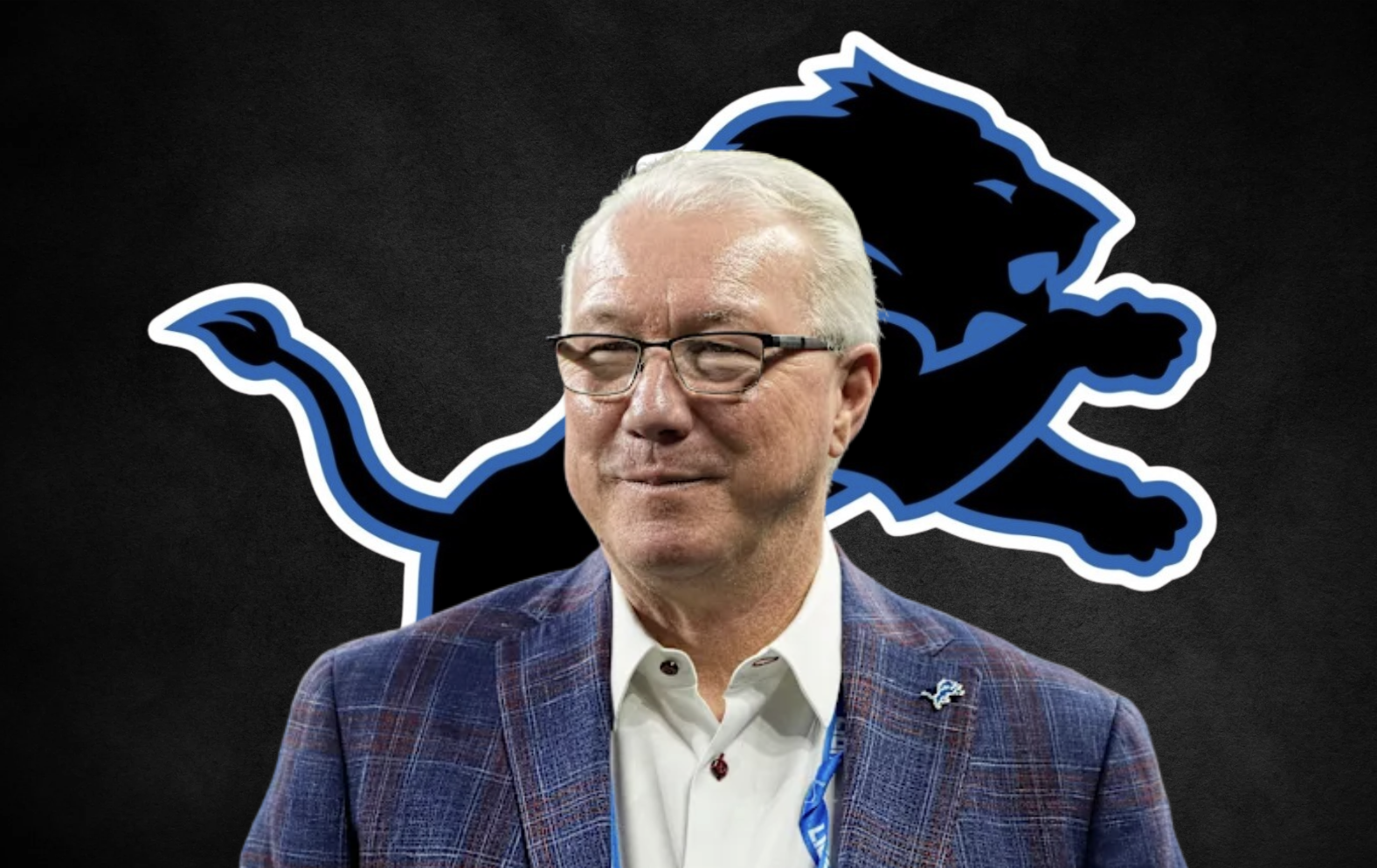
A firm stance, without hesitation
Wood made it clear he wasn’t interested in revisiting ground he had already covered.
“I don’t really have much more to say than I’ve said already,” Wood said via MLive. “I really don’t spend too much time looking at what other teams do, and I don’t imagine they spend too much time looking at what we do. We have to do what’s right for our organization.”
The message was direct, and notably, not defensive. The Lions are comfortable with their decision — and equally comfortable with the reaction that followed.
Optics vs. organizational philosophy
If there was any curiosity about whether the backlash might prompt second thoughts, Wood dismissed that notion quickly.
“And if I worried about optics, you know, it wouldn’t do a lot of things,” he said. “But I’m very comfortable with where we are.”
That line, more than any other, captured the organization’s mindset. The Lions understand how the decision is being received. They simply aren’t allowing that to influence how they operate.
For Detroit, this is less about one player and more about maintaining a consistent internal standard.
A policy with history — and consequences
The Ragnow situation didn’t emerge in a vacuum. The Lions have followed this path before, most notably with franchise icons Barry Sanders and Calvin Johnson.
Both cases created friction that lingered for years. Both also serve as a reminder that the organization has long prioritized contractual enforcement, even when it comes at a relational cost.
That context has fueled much of the current criticism, particularly from former players who point to Ragnow’s durability and willingness to play through injuries as part of the equation.
Separate situations, same principle
Wood stopped short of comparing Ragnow’s case directly to those that came before it, emphasizing that each situation is handled individually.
“And every situation has been handled separately and differently,” he said. “And I don’t have anything else to say on that.”
Still, the through line is difficult to ignore. Whether the player is a Hall of Famer or a recently retired cornerstone, the Lions have shown a willingness to enforce the same guiding principle.
The larger picture
For a franchise that has worked to reshape its identity under head coach Dan Campbell and general manager Brad Holmes, moments like this offer a glimpse into the balance between culture and business.
The Lions have earned a reputation as a player-first organization in recent years. At the same time, decisions like this reinforce that financial structure and precedent remain part of the equation.
The backlash may continue. The debate likely will, too.
Inside the organization, however, the position appears settled.

Leave a Comment